

Project Caracal Begins in Ranthambhore to Save a Rare Desert Hunter
A landmark initiative combining science, policy and ground action to protect Rajasthan’s endangered small wild cat

15 April 2026
Nature Times,
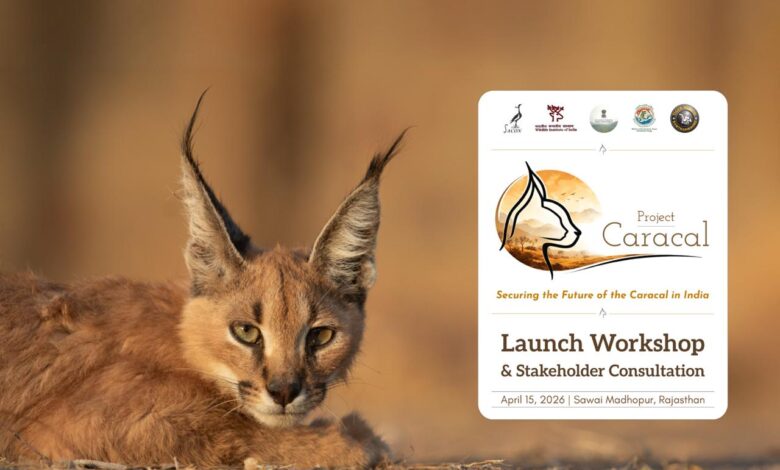
Ranthambhore, Rajasthan: Ranthambhore, Rajasthan: In a major and much-needed conservation move, “Project Caracal” was formally launched today in the Greater Ranthambhore landscape, marking a significant step toward protecting one of India’s most elusive and endangered small wild cats—the caracal. The launch was accompanied by a focused workshop on “Conservation of Caracal in Rajasthan,” jointly organized by the Wildlife Institute of India–SACON (WII-SACON), in collaboration with Tiger Watch and the Rajasthan Forest Department.
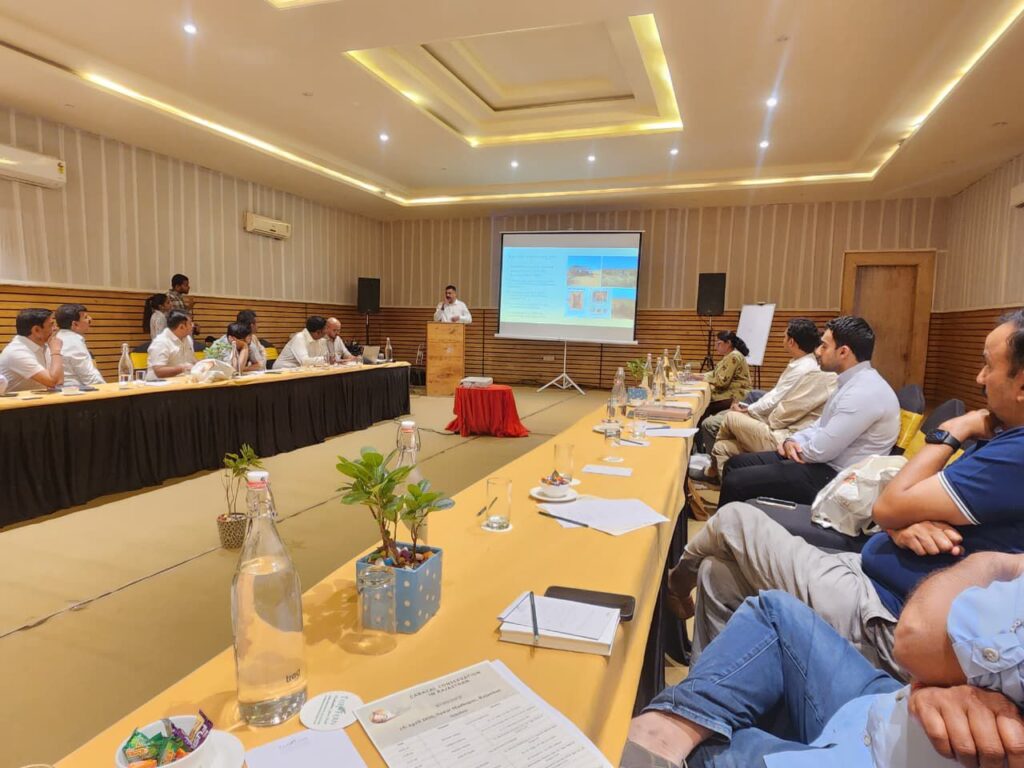
The workshop brought together top scientists, forest officials, and conservation stakeholders, where detailed discussions were held on the current status of the caracal in Rajasthan. Experts shared available scientific data related to its distribution, behavior, and habitat, highlighting that despite being an important predator of arid and semi-arid ecosystems, the caracal remains one of the least understood and most threatened species in the region. Its declining presence has raised serious conservation concerns, making urgent scientific intervention necessary.
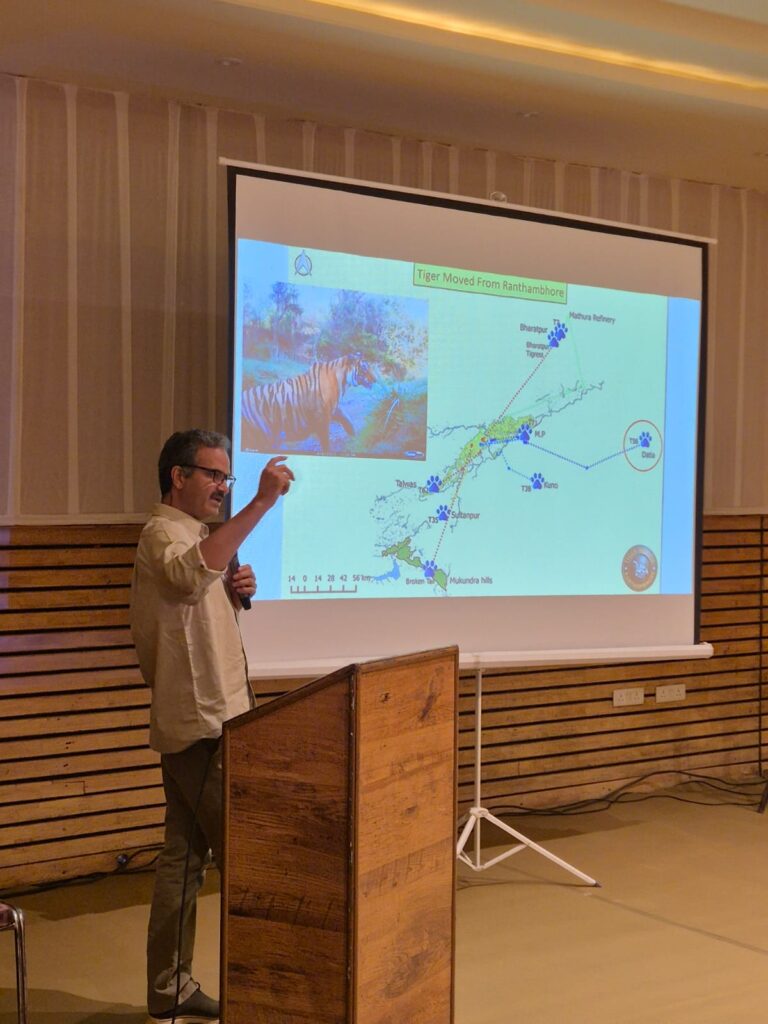
Leading the project is Dr. Shomita Mukherjee, Principal Scientist at WII-SACON, who will serve as the Project Investigator. The team also includes key conservation experts such as Dr. Dharmendra Khandal, Executive Director of Tiger Watch, and Dr. Ayan Sadhu, Scientist associated with NTCA-WII, as Co-Investigators. The full project team was formally introduced during the session, underlining a strong collaborative framework.
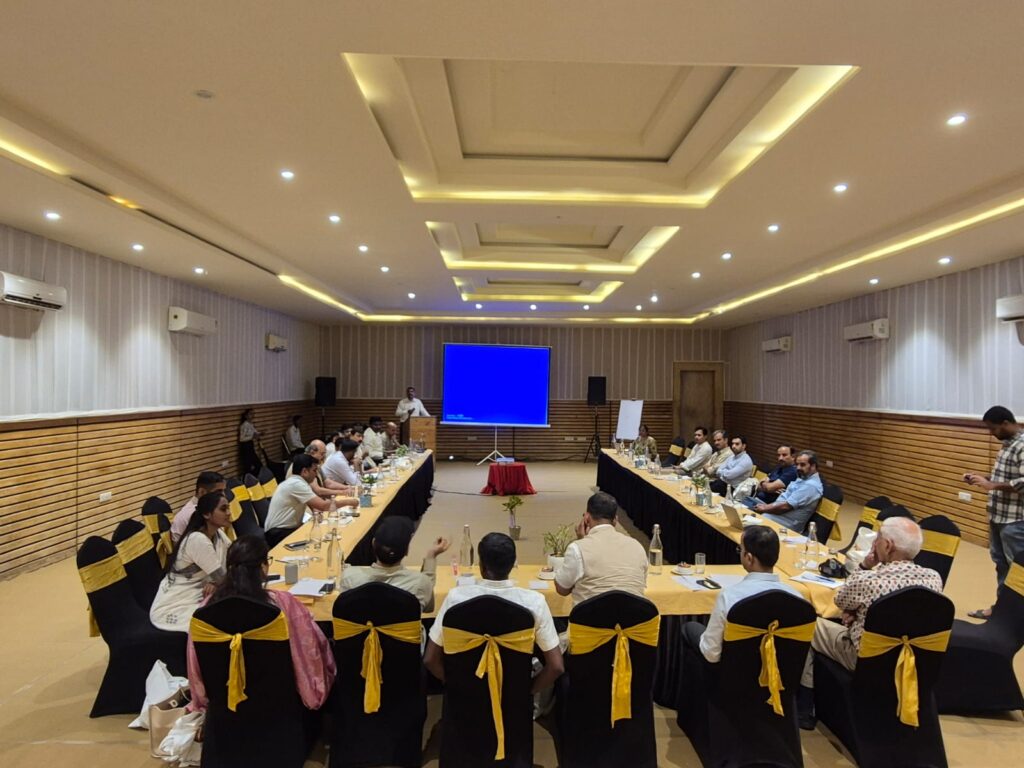
The event was graced by Dr. G. S. Bhardwaj, Director of the Wildlife Institute of India, as the Chief Guest, while K. C. A. Arun Prasad, Principal Chief Wildlife Warden of Rajasthan, attended as the Guest of Honour. Senior officials, including Field Directors from major tiger reserves such as Ranthambhore Tiger Reserve, Ramgarh Vishdhari Tiger Reserve, Mukundra Hills Tiger Reserve, and Sariska Tiger Reserve, along with Deputy Conservators, State Wildlife Board members, and other key stakeholders, were also present.
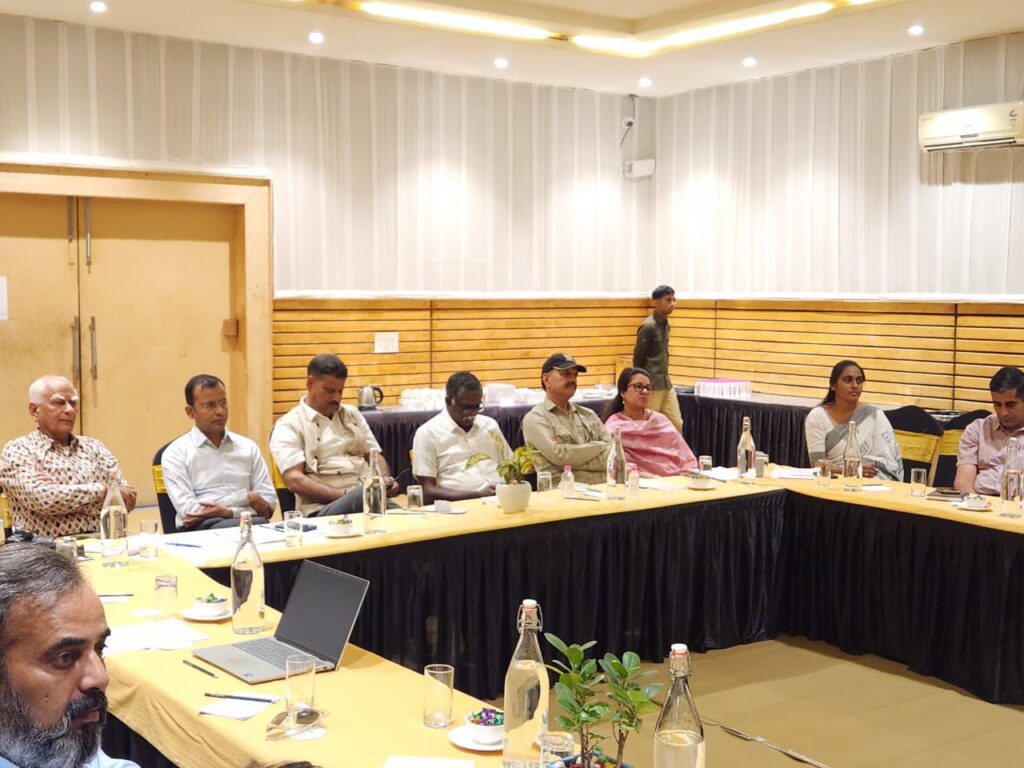
During the workshop, the objectives, methodology, and timeline of Project Caracal were clearly outlined. Experts emphasized that conservation of the caracal cannot succeed without a strong combination of scientific research, continuous field monitoring, active community participation, and close coordination between institutions. The species, often found in Rajasthan’s dry landscapes, plays a vital ecological role, yet its survival is now under serious threat due to habitat loss and lack of focused conservation attention.
The workshop concluded with a strong consensus that “Project Caracal” is not just another initiative, but a crucial and timely intervention aimed at building a long-term, science-based conservation model for this rare species. With this launch, Rajasthan has taken a decisive step toward securing the future of the caracal in the Greater Ranthambhore landscape, setting an example for conservation efforts across India.