

Rajasthan Wildlife Census: Jhalana Estimation Ongoing
62-member team at 31 waterholes, 18 women participants—survey continues despite heatwave, storm and rain; esteemed Rawat family supports field teams with meals, leopard sighting at Neem Gatta

Jaipur / Jhalana | May 2, 2026 | Nature Times Special Report
Amid the ongoing heatwave conditions affecting several parts of India, Rajasthan has set a noteworthy example in wildlife conservation through a strategic and adaptive initiative. Taking into account the rising temperatures and associated risks, the Rajasthan Forest Department revised the schedule of the Wildlife Estimation exercise, demonstrating a pragmatic and forward-looking approach.
Originally planned from 8:00 AM on May 1 to 8:00 AM on May 2, the estimation was rescheduled to operate from 5:00 PM on May 1 to 5:00 PM on May 2. This adjustment ensured the safety of both field personnel and wildlife, while also improving the accuracy of observations during peak animal activity hours.
 File Photo
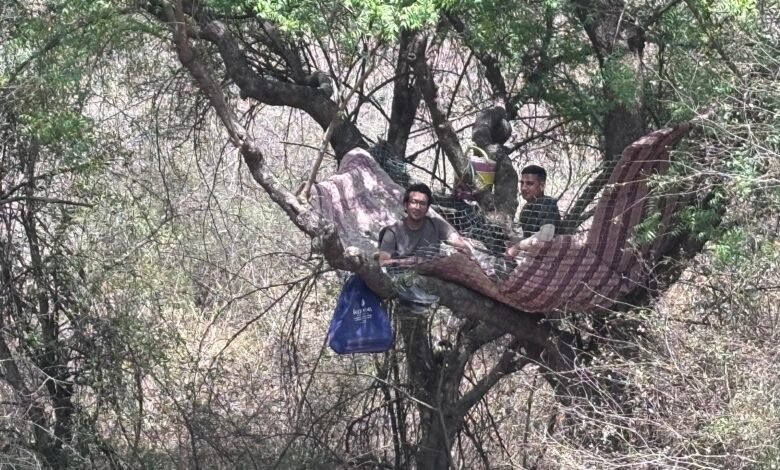
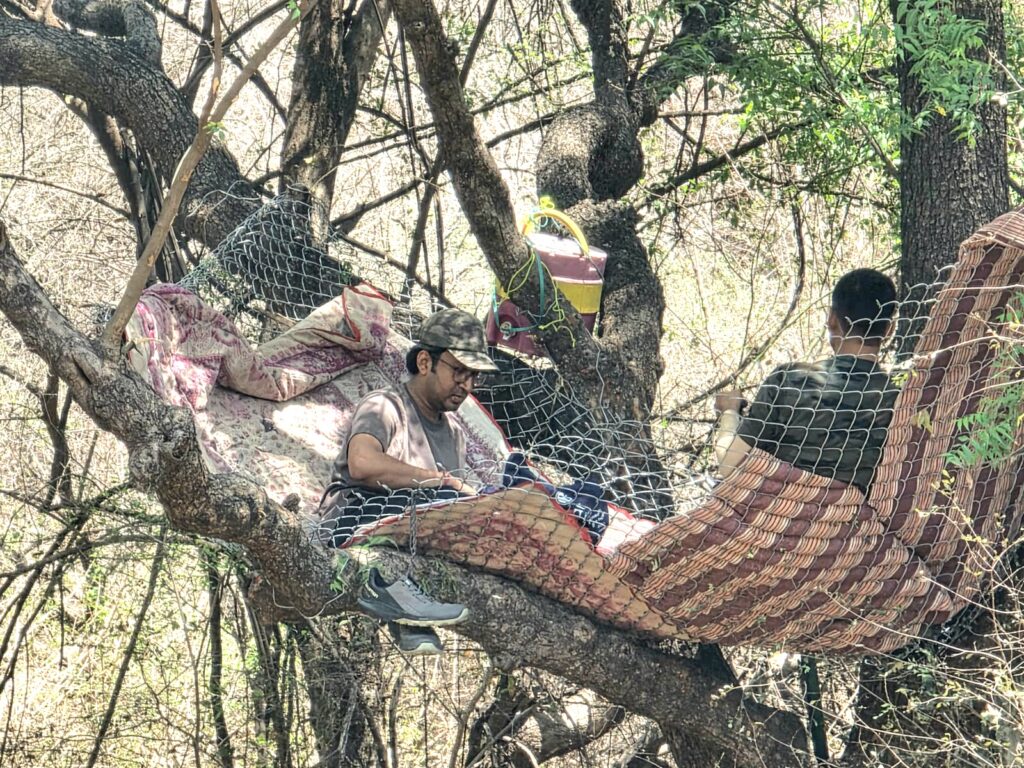
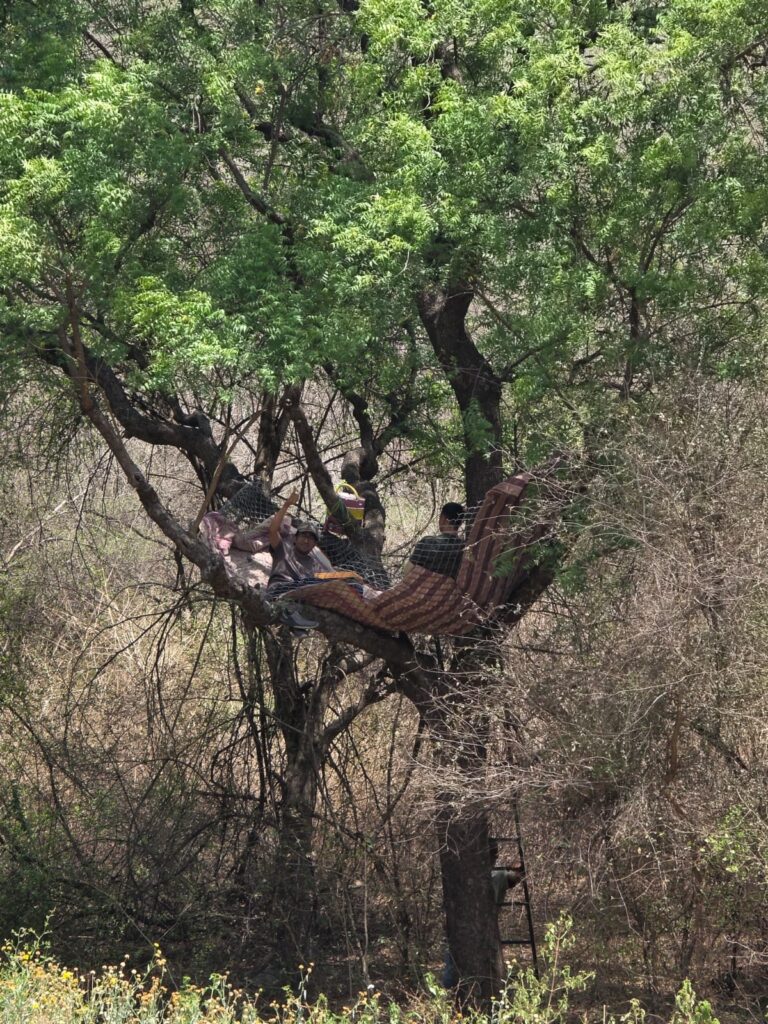
Within the Jaipur territorial range, particularly in the Jhalana Leopard Safari landscape and adjoining forest areas, the wildlife estimation exercise is being executed on a large-scale, well-structured framework. A total of 31 waterhole points have been identified, where 31 machans (observation platforms) have been installed. Each machan is manned by a forest staff member along with a trained volunteer, forming a 62-member field team engaged in continuous 24-hour monitoring of wildlife movement around water sources.
The spatial distribution of these waterholes has been strategically planned—17 in Jhalana Leopard Safari, 11 in Amagarh Leopard Safari, and one each in Jhotwara, Goner, and Muhana zones. The estimation methodology integrates traditional waterhole-based direct observation techniques with advanced camera trap technology, enabling a more robust and scientifically validated assessment of wildlife presence, movement patterns, and population density.
 File Photo
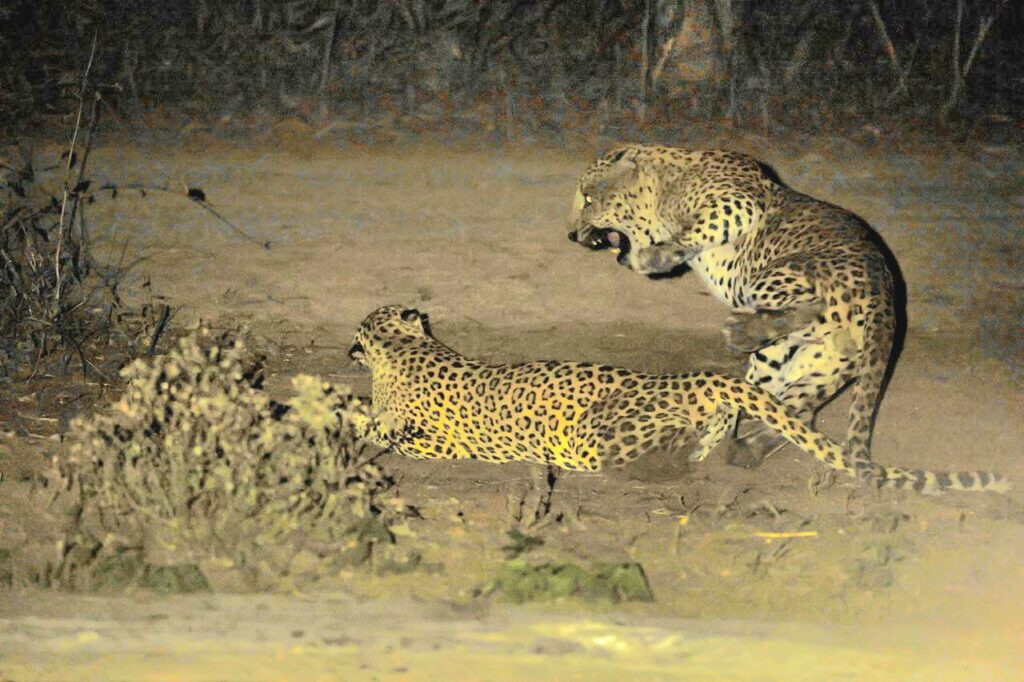
A significant behavioral observation was recorded during the exercise at the Neem Gatta water point (Route No. 1). Field observers stationed at the machan reported the presence of two leopards—a female identified as Nathwali and a male known as Bahadur. The observed interaction, believed to be a mating-related encounter, is considered ecologically important for understanding territorial behavior, breeding patterns, and population dynamics within the landscape.
 File Photo
One of the most notable highlights of this year’s estimation exercise is the substantial participation of women personnel. Out of the 62 participants, 18 are women, including both forest staff and volunteers. Many of them are participating in such a high-intensity field operation for the first time. Despite challenging conditions, their discipline, commitment, and field endurance have added a new dimension of strength and inclusivity to the operation.
According to Ranger Jitendra Singh Shekhawat (Jaipur Territorial Range), this level of female participation reflects the state government’s broader vision of enhancing gender inclusion and promoting public participation in conservation activities. He emphasized that the dedication demonstrated by women staff and volunteers will serve as a strong foundation for future conservation programs.
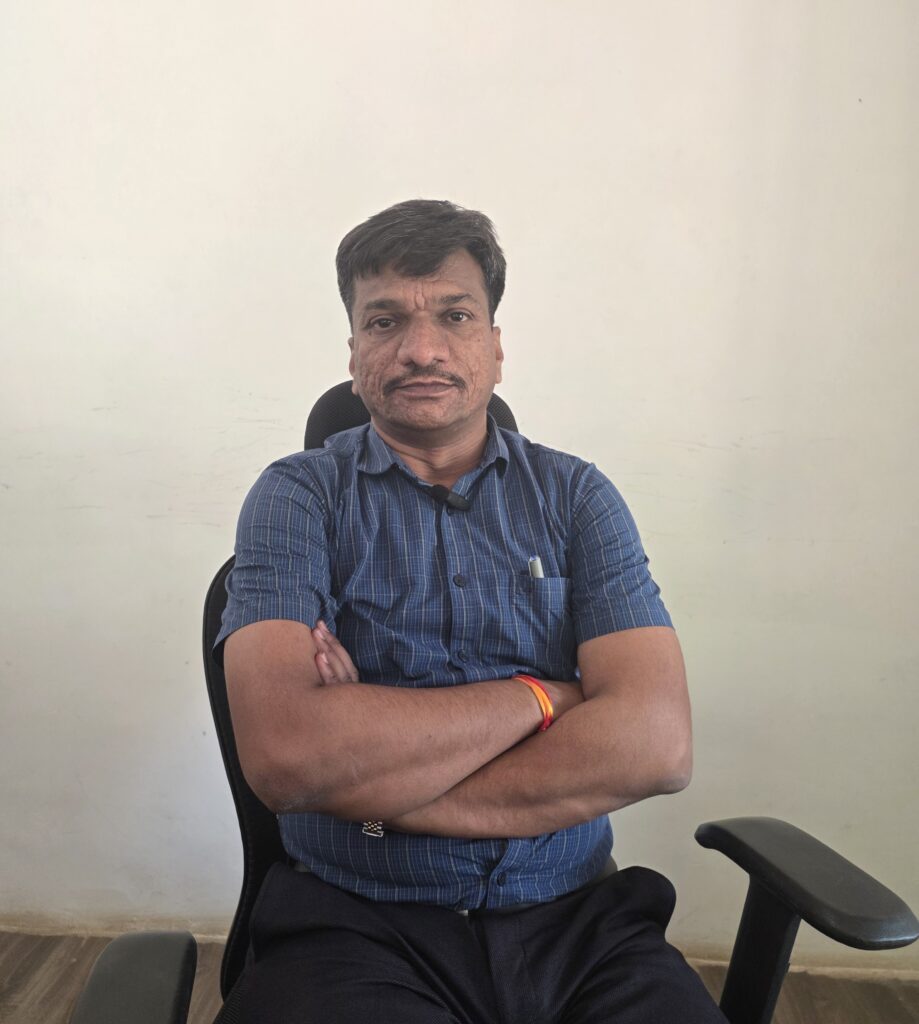 Jitendra Singh Shekhawat ( Ranger Jaipur Territorial )
Considering the extreme weather conditions, with temperatures exceeding 40°C, the Forest Department has ensured comprehensive field support systems. Adequate arrangements for drinking water, shade structures, and basic medical support have been deployed across all machan sites to prevent dehydration and heat stress among personnel. In addition, Quick Response Teams (QRTs) have been placed on continuous alert for real-time monitoring and emergency response.
Despite adverse weather conditions, including a sudden dust storm and rainfall on the morning of May 2, field teams remained steadfast at their designated observation points. Their ability to continue the estimation process under such circumstances reflects exceptional dedication and operational discipline.
Another commendable aspect of the campaign is the role of community support. The esteemed Rawat family of Jaipur extended logistical support by arranging meals for all forest personnel and volunteers deployed in the field. From dinner arrangements to the following day’s lunch, timely and nutritious food supply ensured sustained morale and operational efficiency among the teams.
This synergy between the Forest Department and civil society reinforces the principle that wildlife conservation is not solely a governmental responsibility but a collective mission requiring active public participation.
The ongoing wildlife estimation exercise in Jhalana is no longer just a routine census operation—it is emerging as a national model of integrated conservation practice, combining scientific methodology, administrative planning, gender inclusion, and community engagement.
Within the broader statewide wildlife census being conducted across Rajasthan’s forest landscapes, the organized and innovative execution in Jhalana sends a powerful message: with precise strategy, technological integration, and collaborative participation, even the most challenging conservation objectives can be successfully achieved.