

International Day of Zero Waste 2026: One Billion Tonnes of Food Wasted, A Crisis the World Can No Longer Ignore
From global excess to Rajasthan’s rising waste—food loss exposes a deep imbalance between abundance and hunger

New Delhi, March 30 2026
Nature Times Desk ,
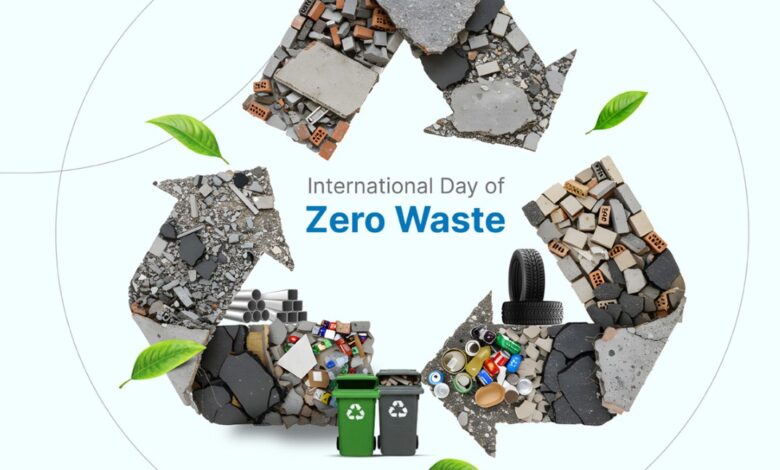
At a time when millions across the globe continue to sleep hungry, the scale of food being wasted presents a disturbing contradiction. On the occasion of International Day of Zero Waste 2026, the spotlight has sharply turned toward food waste—an issue that is no longer just about discarded meals, but about environmental degradation, economic loss, and a collective failure of responsible consumption.
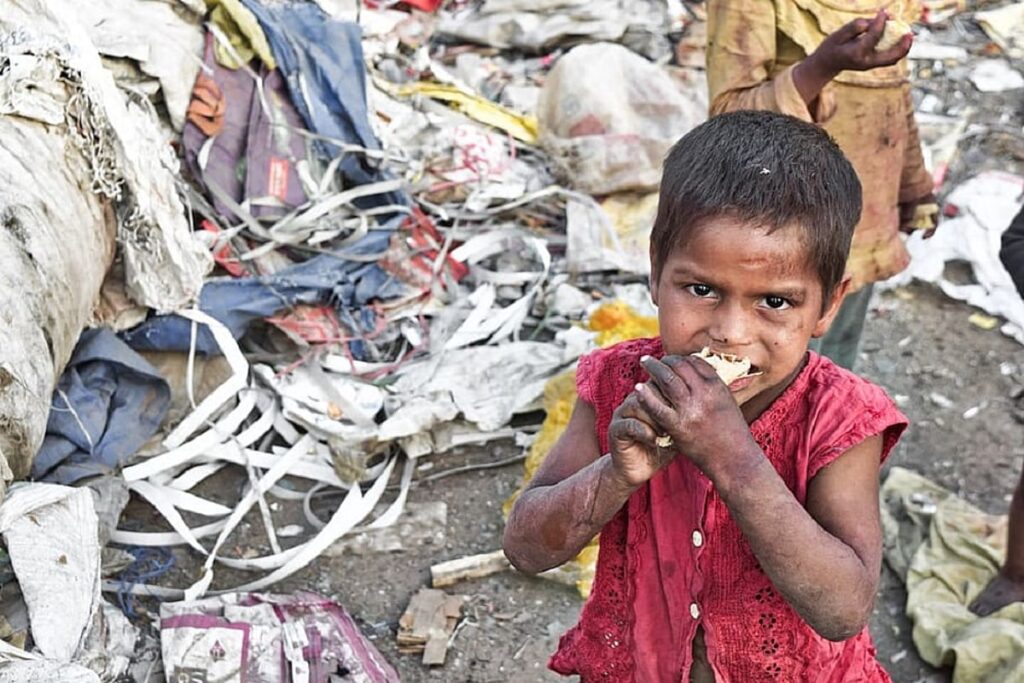
Across the world, food waste has silently evolved into one of the most pressing sustainability challenges. Nearly one-fifth of all food available to consumers—close to 1 billion tonnes—is wasted every year. This staggering figure reflects not a shortage of resources, but a deep imbalance in how societies produce, consume, and value food. According to the UNEP Food Waste Index Report 2024, global food waste has reached approximately 1.05 billion tonnes, accounting for 19 percent of total consumer-level food availability. What makes this crisis more alarming is its origin—60 percent of the waste comes directly from households, followed by 28 percent from food services and 12 percent from retail. The numbers make one reality clear: food waste is not just a systemic issue, it is fundamentally a behavioural crisis.
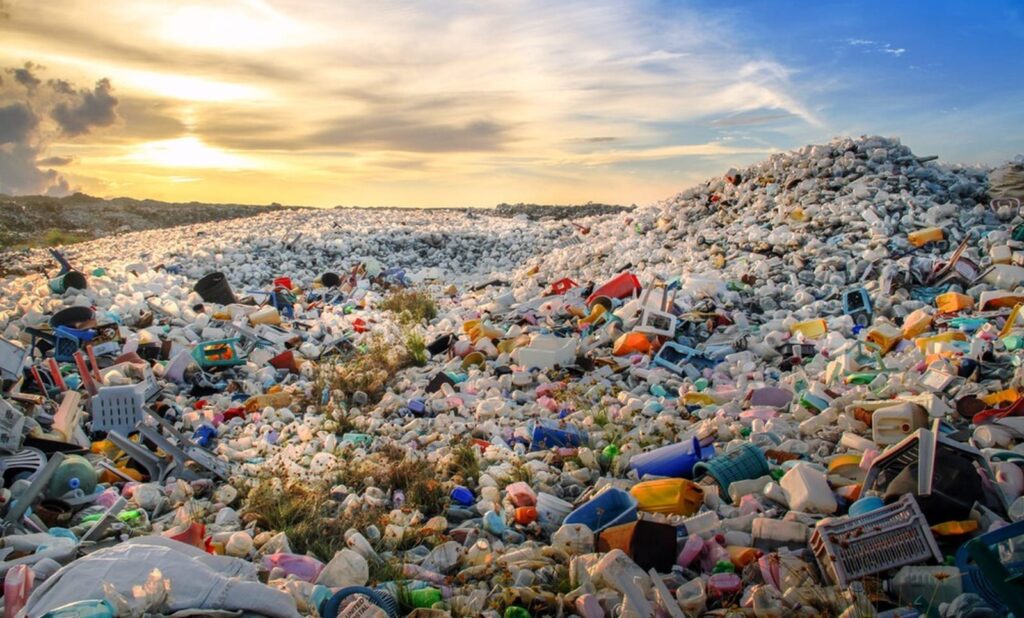
India, despite its rapid economic growth and improving food access, reflects this global paradox with striking clarity. On one hand, urbanisation and rising incomes have increased food availability and consumption patterns. On the other, these very factors have intensified the culture of excess—especially visible during weddings, social gatherings, and large-scale events where food is prepared in abundance and discarded without accountability.
This contradiction becomes even sharper when viewed against the backdrop of persistent food insecurity across the country. The wastage of food in such a context is no longer just an environmental concern—it raises serious questions of equity, ethics, and responsible resource management.
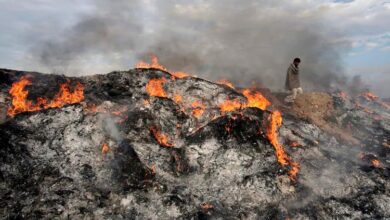
The environmental implications of food waste are equally severe. When discarded food ends up in landfills, it generates methane—a greenhouse gas far more potent than carbon dioxide—thereby accelerating climate change. In fact, reducing food waste is considered one of the most immediate and effective ways to cut emissions within the global food system.
Economically, the damage is equally staggering. Global losses due to food waste are estimated at nearly $1 trillion annually—resources that could otherwise be directed toward food security, sustainable agriculture, and climate resilience. The crisis, therefore, is not just about waste, but about lost opportunities.
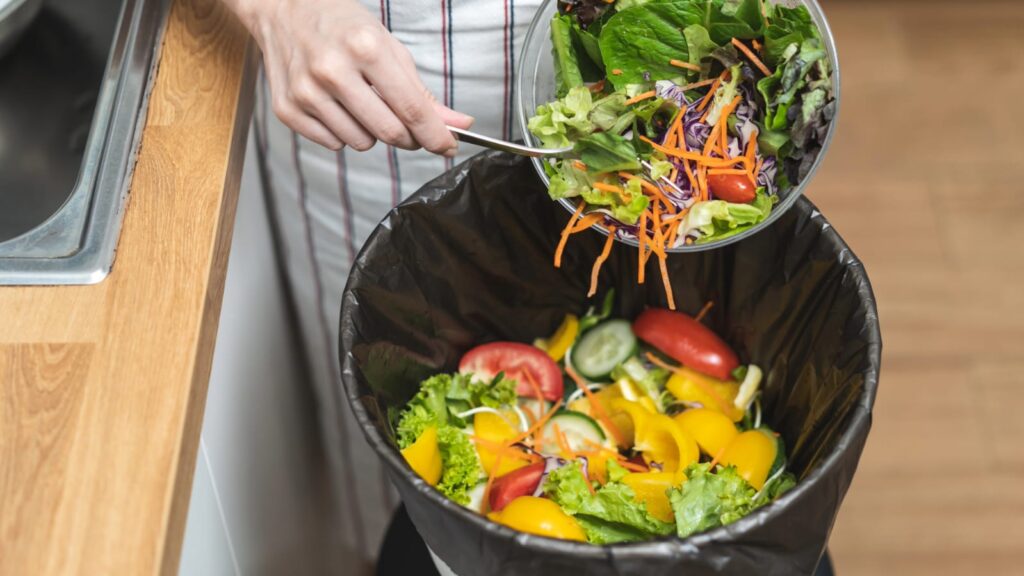
Beyond consumption, the challenge deepens further. Food waste is not easy to process due to its complex composition. Its decomposition requires land, energy, and time—creating a cycle where resources are consumed not only in production but also in disposal. This double burden places additional stress on already strained environmental systems.
In Rajasthan, this global issue finds a visible and relatable reflection. Food waste during weddings, festivals, and community functions remains a widespread concern. Urban lifestyles, changing consumption habits, and a growing tendency toward over-preparation have further accelerated the problem. Ironically, while food is wasted in abundance in certain sections, many rural and economically weaker communities continue to struggle for basic nutrition—highlighting a stark and uncomfortable imbalance.
Experts believe that the solution does not lie in complex technologies, but in a shift in mindset. Responsible consumption, better planning, reducing excess preparation, and redistributing surplus food can significantly reduce waste. The answer, in many ways, lies in awareness and intent rather than infrastructure alone.
As the world marks International Day of Zero Waste 2026, the message is both urgent and undeniable—food waste is not an unavoidable reality, but a preventable crisis. It is a challenge that begins in our homes, reflects in our habits, and impacts the planet at large.
The time for awareness has passed; what is needed now is action.