

New Spider Species Discovered in India, Study Reveals Hidden Biodiversity
Discovery from Sajjangarh Wildlife Sanctuary highlights rich yet understudied biodiversity of Rajasthan’s dry forests

Mumbai: 12 April
Nature Times Desk,
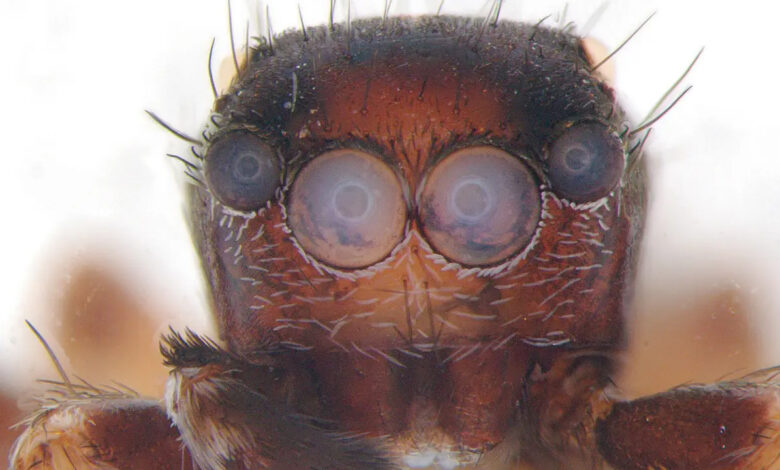
A new scientific study has brought fresh attention to India’s underexplored biodiversity, with researchers identifying two new species of jumping spiders and documenting previously unknown female forms of species first recorded in Aarey Milk Colony. The findings, published in the international journal Zootaxa, bring renewed focus to both urban and arid ecosystems—particularly Rajasthan’s lesser-studied habitats.
 File Photo
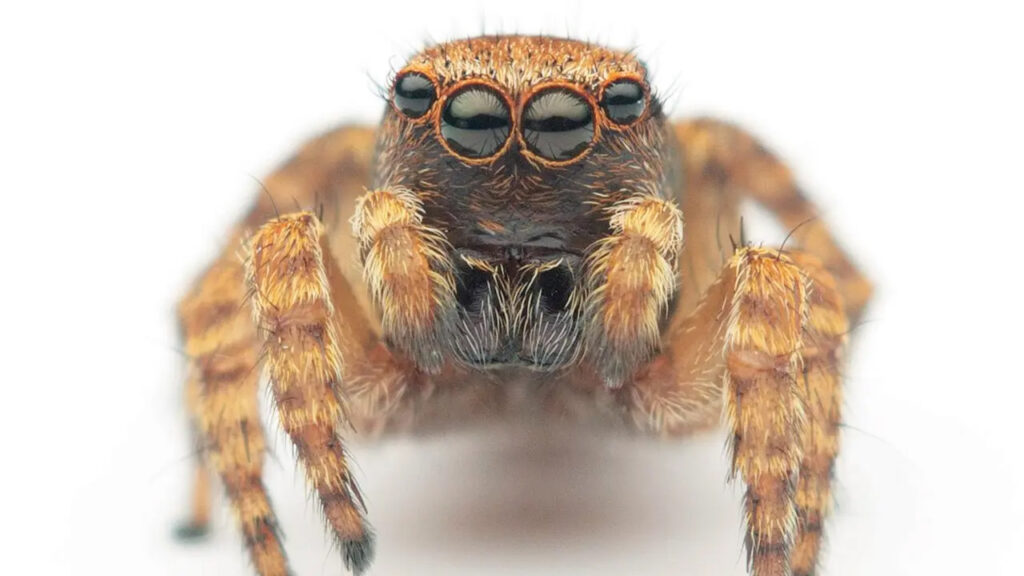
The study was conducted by researchers from the Thackeray Wildlife Foundation, including Tejas Thackeray and Rajesh Sanap, along with a team of collaborators. Their research centres on the genus Langelurillus, a group of tiny ground-dwelling jumping spiders that remain poorly documented in India.
Among the key discoveries is Langelurillus sahyadri, identified in Maharashtra’s Western Ghats, where it was found inhabiting shaded forest trails covered with dry leaf litter, indicating a preference for humid microhabitats.
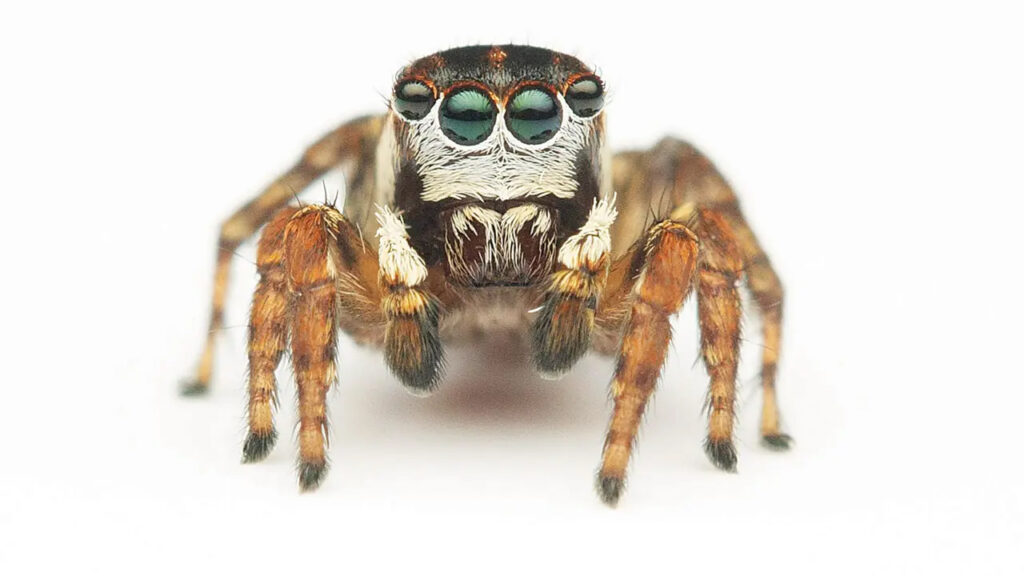
File Photo
Significantly, the study also highlights Rajasthan’s contribution to biodiversity research through the identification of Langelurillus udaipurensis at Sajjangarh Wildlife Sanctuary. The species was observed actively moving across rocky terrain, showcasing its adaptation to the dry, rugged landscapes typical of the region. Researchers note that such findings challenge the perception of arid zones as biodiversity-poor and underline their ecological importance.
The research further sheds light on Langelurillus lacteus and Langelurillus onyx, two species first reported in 2017 from Aarey. Until now, only male specimens had been recorded; the latest study documents the female forms for the first time, completing their scientific profiles.
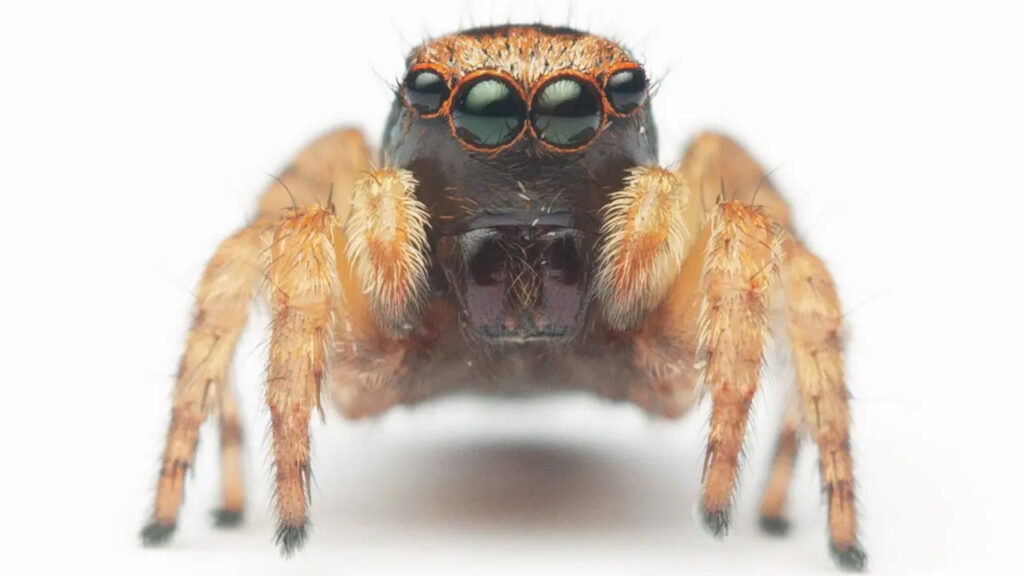
File Photo
Scientists say the findings reinforce the ecological value of Aarey, often referred to as Mumbai’s “green lung,” while also drawing attention to Rajasthan’s hidden and understudied wildlife diversity.
The discovery not only expands India’s known arachnid diversity but also highlights the urgent need to conserve both urban green spaces and fragile natural habitats that continue to yield new scientific insights.