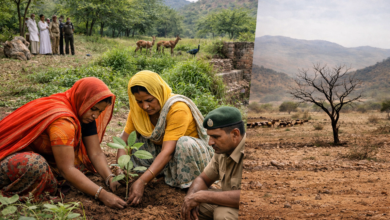


Karnataka Reopens Tiger Safaris After Conflict Review
Phased Restart at Bandipur & Nagarahole with Reduced Hours, Strict Vehicle Caps Amid Human–Wildlife Concerns

19 Fabruary 2026,
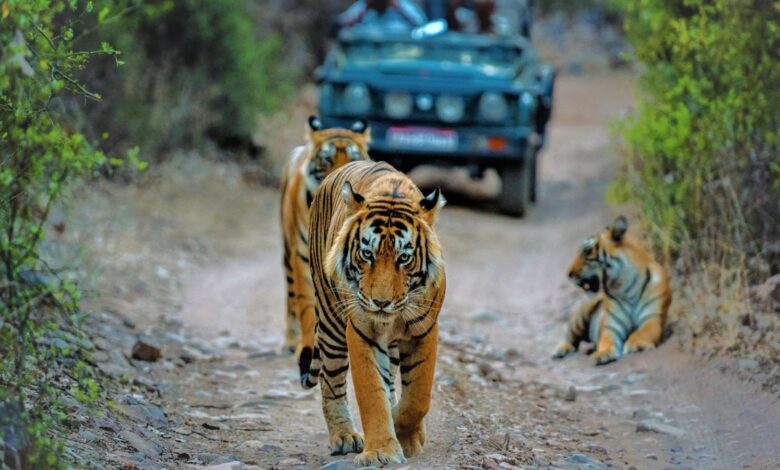
Bengaluru: In a calibrated policy move aimed at balancing wildlife conservation and eco-tourism, the Karnataka government has approved the phased resumption of safari operations at Bandipur Tiger Reserve and Nagarahole Tiger Reserve.
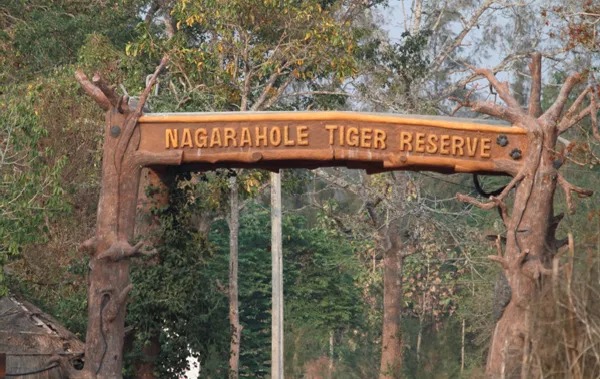
The decision follows an interim assessment submitted by a high-level technical committee constituted to evaluate eco-tourism capacity amid rising human–wildlife conflict concerns.
The announcement was made by Forest Minister Eshwar Khandre after a detailed review meeting held at Vikasa Soudha. Safari services at both reserves had been suspended since November 7, 2025, following a series of fatal tiger attacks that intensified concerns in forest-fringe villages.
Phased Reopening with Strict Restrictions
According to the minister, safari operations will resume in a controlled and phased manner during the initial stage. Both operating hours and vehicle movement will be significantly curtailed to minimize ecological disturbance.
At Bandipur, safari duration has been reduced from eight hours to five hours per day.
In the Sunkadakatte zone, operations will be restricted to six hours.
At Nagarahole, safaris will initially be permitted for only four hours daily.
Officials clarified that the number of safari vehicles will also be regulated to ensure controlled tourism activity within ecologically sensitive zones.
Interim Findings of the Expert Panel
The decision is based on an interim report submitted by a technical committee comprising:
An Additional Principal Chief Conservator of Forests
A scientist from the Wildlife Institute of India
A professor from the Indian Institute of Forest Management
The panel was tasked with assessing eco-tourism carrying capacity in the backdrop of escalating human–wildlife conflict. The state government reviewed the interim findings comprehensively before granting approval for phased reopening.
No Scientific Link Between Safaris and Tiger Straying
Senior forest officials maintained that there is currently no scientific evidence to establish that safari operations are directly responsible for tigers venturing into human settlements. They emphasized that human–wildlife conflict is a complex and multi-dimensional issue influenced by habitat pressures, prey base dynamics, and landscape-level changes rather than regulated tourism alone.
Striking a Balance Between Conservation and Livelihood
The suspension of safari activities had significantly impacted local livelihoods dependent on eco-tourism, including guides, drivers, and hospitality workers. With the phased reopening under stricter oversight, the government aims to strike a calibrated balance between conservation priorities and economic sustainability for forest-dependent communities.
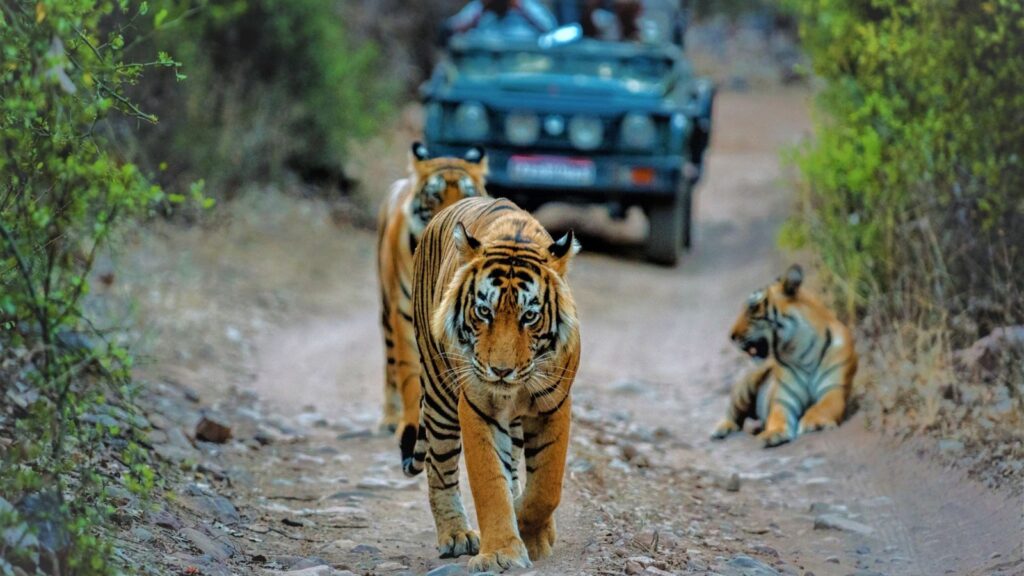
As Karnataka cautiously reopens two of its most iconic tiger landscapes, the coming weeks will test whether tightly regulated eco-tourism can coexist with strengthened wildlife management in these sensitive conservation zones.